Corte por jato de água até 150 mm, em qualquer material

Corte a frio, sem zona afetada pelo calor, em aço, inox, alumínio, cobre, cerâmica, pedra e compósitos.

Como funciona o corte por jato de água?

High-pressure water instead of heat.

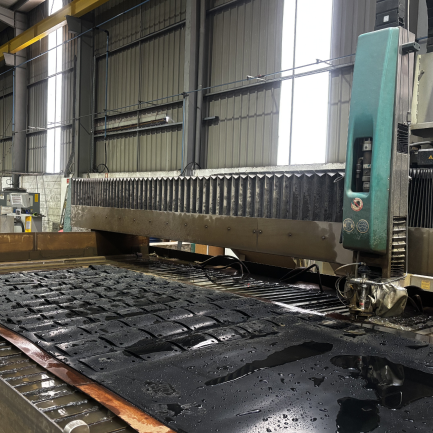
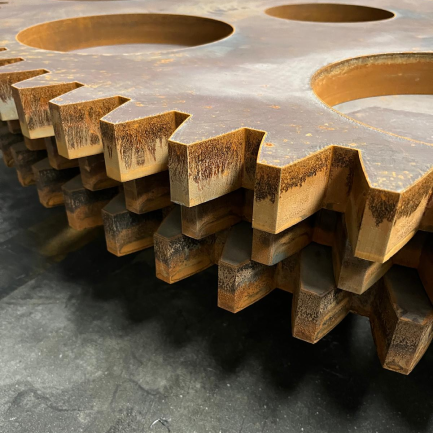
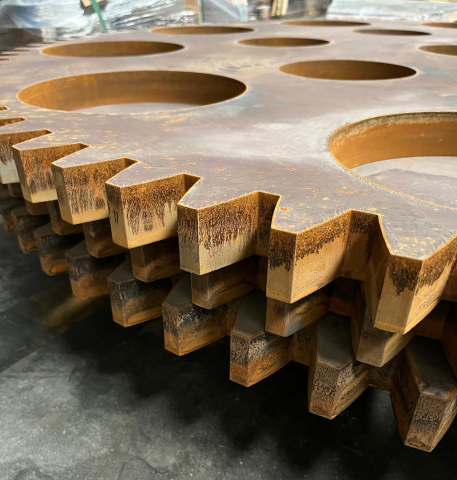
O corte por jato de água usa água a altíssima pressão, combinada com abrasivo quando necessário, para cortar materiais de elevada espessura e dureza. O processo é totalmente a frio. Não gera zona afetada pelo calor, não deforma e não altera a estrutura do material. O resultado é um corte preciso, de bordos limpos, que preserva as propriedades originais da peça.

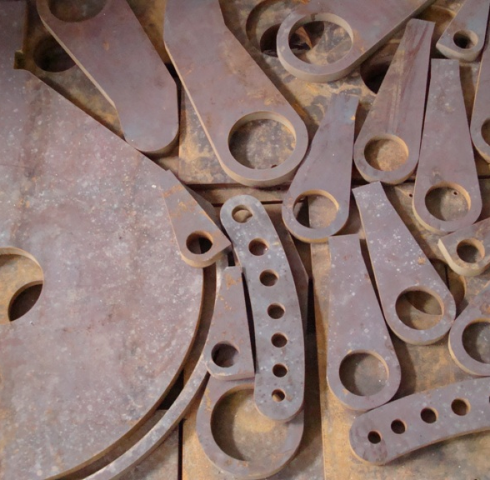
Trabalhamos em corte 2D, em chapa e placa, tanto para peça única como para série.

precision cutting

up to

150 mm

Cutting capacity for very thick materials.

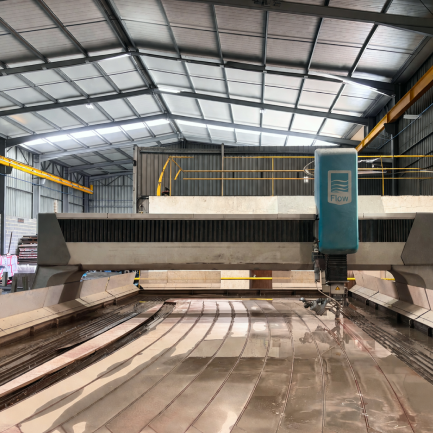
6 x 3 metres

Space suitable for large items.

Tolerance ± 0.1 mm

Repeatable dimensional accuracy, part after part.

Corte a frio

Sem zona afetada pelo calor. Preserva as propriedades do material.

Versatility

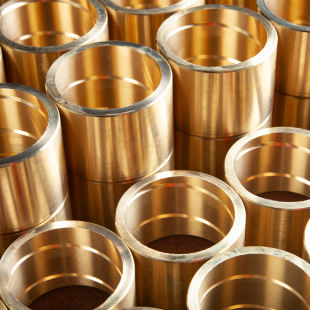
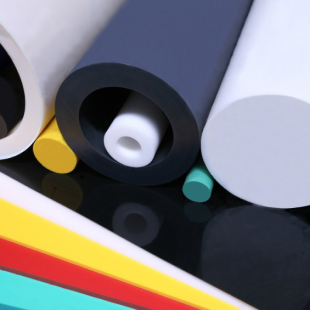
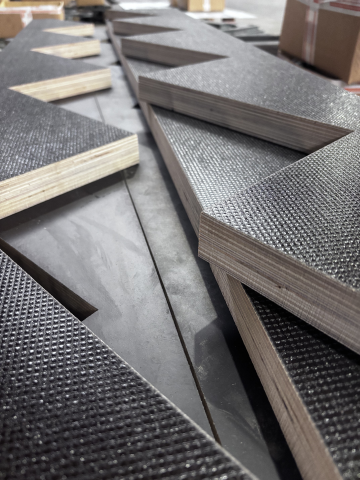
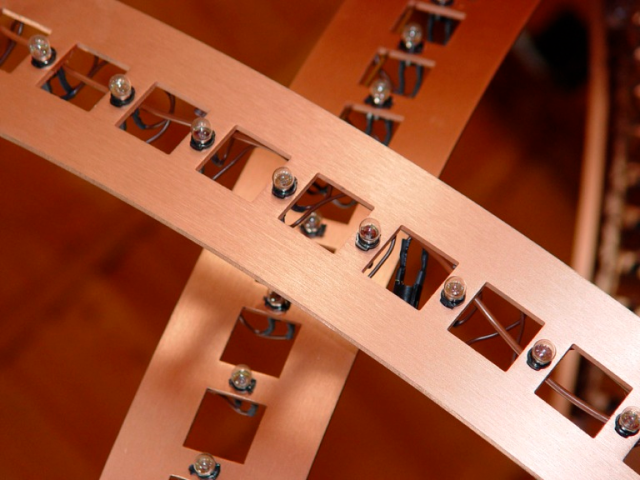
Adequado para diferentes materiais como metais, pedra, cerâmica, compósitos e polímeros.

2 FLOW machines

Marca de referência mundial em jato de água, com capacidade para produção contínua.

precision cutting

A sua peça é para jato de água ou para laser?

Nem todas as peças pedem a mesma tecnologia. O jato de água corta a frio, sem alterar o material, e chega a espessuras e a materiais que o laser não alcança. O laser é mais rápido e mais económico em chapa metálica fina, sobretudo em série. A escolha certa depende do material, da espessura e do acabamento que precisa. Se tiver dúvidas, envie o desenho. Analisamos a peça e indicamos a tecnologia mais adequada, sem custo.

Do metal fino de 1 mm à pedra de 150 mm, cobrimos qualquer peça com a tecnologia certa.

Uma tecnologia, praticamente todos os materiais.

O jato de água corta materiais muito distintos com o mesmo processo, sem comprometer as suas propriedades físicas.

Why choose this one?
technology?

No thermal deformation

Corte a frio.

Sem zona afetada pelo calor. Preserva as propriedades mecânicas, mesmo em materiais sensíveis à temperatura.

Less waste

Qualquer material.

Metais, pedra, cerâmica, compósitos e polímeros com o mesmo equipamento.

grandes espessuras

Grandes espessuras.

Corte até 150 mm, onde o laser não chega.

Protótipo ou série.

A mesma máquina responde a peça única e a produção em série.

Applications in different sectors.

Technical and Structural Components

The same production capacity meets the demands of various sectors.

Do protótipo à grande série, com o mesmo rigor.

Água a alta pressão, com abrasivo, a cortar a frio. Bordo limpo e sem deformação, com a mesma precisão numa peça única ou numa série de milhares.

Projects completed
de corte por jato de água

Frequently Asked Questions

What is the maximum cutting thickness?

The TSwaterjet waterjet cuts materials up to 150 mm thick. The actual capacity depends on the material and geometry: harder or denser materials are cut at a slower speed, but the maximum thickness remains high, because the process uses high-pressure water with an abrasive rather than heat. It is when cutting thicker materials that waterjet cutting outperforms laser cutting, which is limited to thinner sheet metal. For parts thicker than 150 mm, please send us the drawing so that we can assess feasibility.

Virtually all of them. Waterjet cutting can cut carbon steel, stainless steel, aluminium, copper and brass, as well as non-metallic materials such as ceramics, marble, stone, glass, composites and polymers. As the cutting process is cold, it is the ideal technology for materials that must not be heated or undergo structural changes. We can cut both metal and stone using the same equipment, which reduces the number of suppliers required for a project involving different materials.
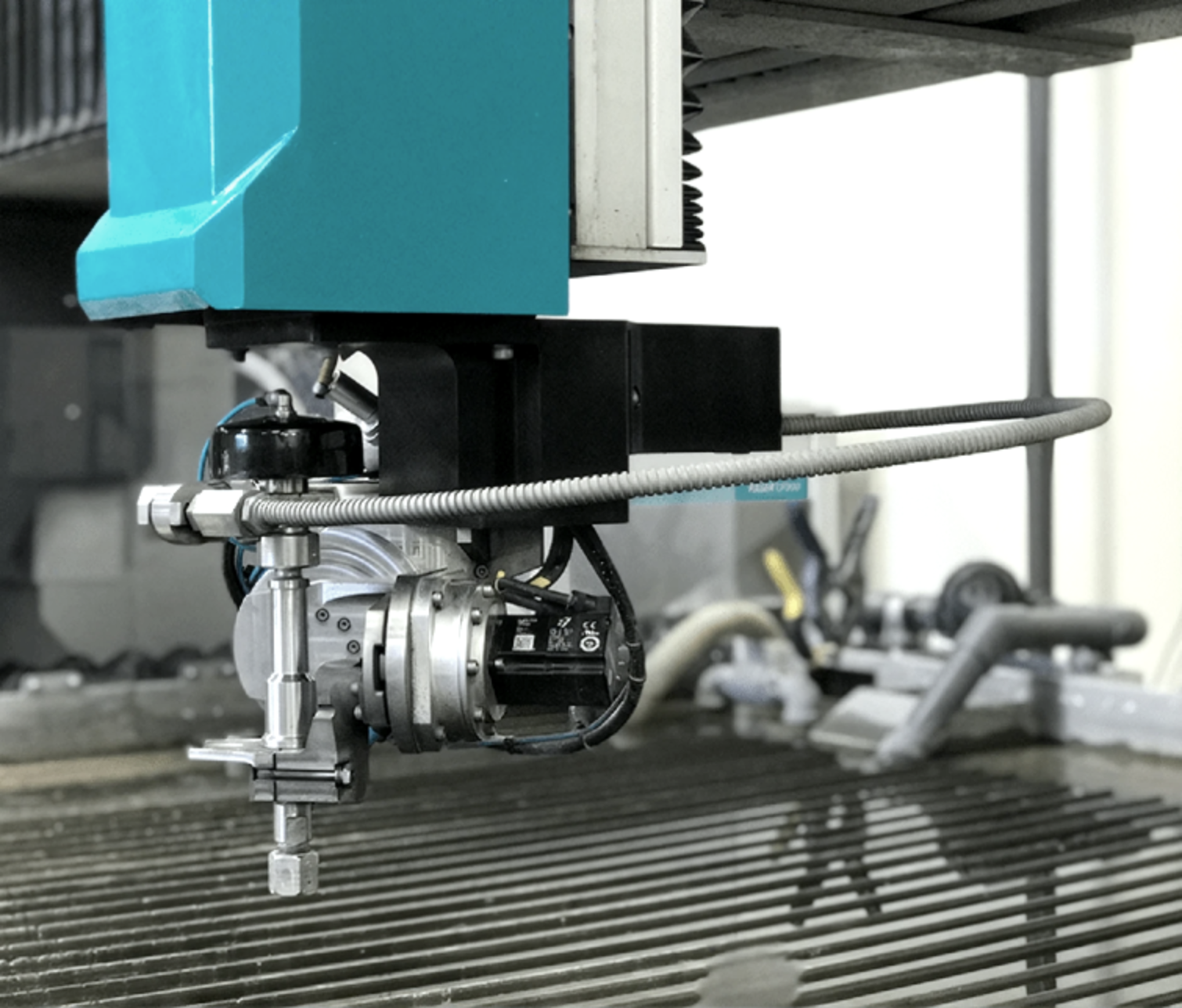
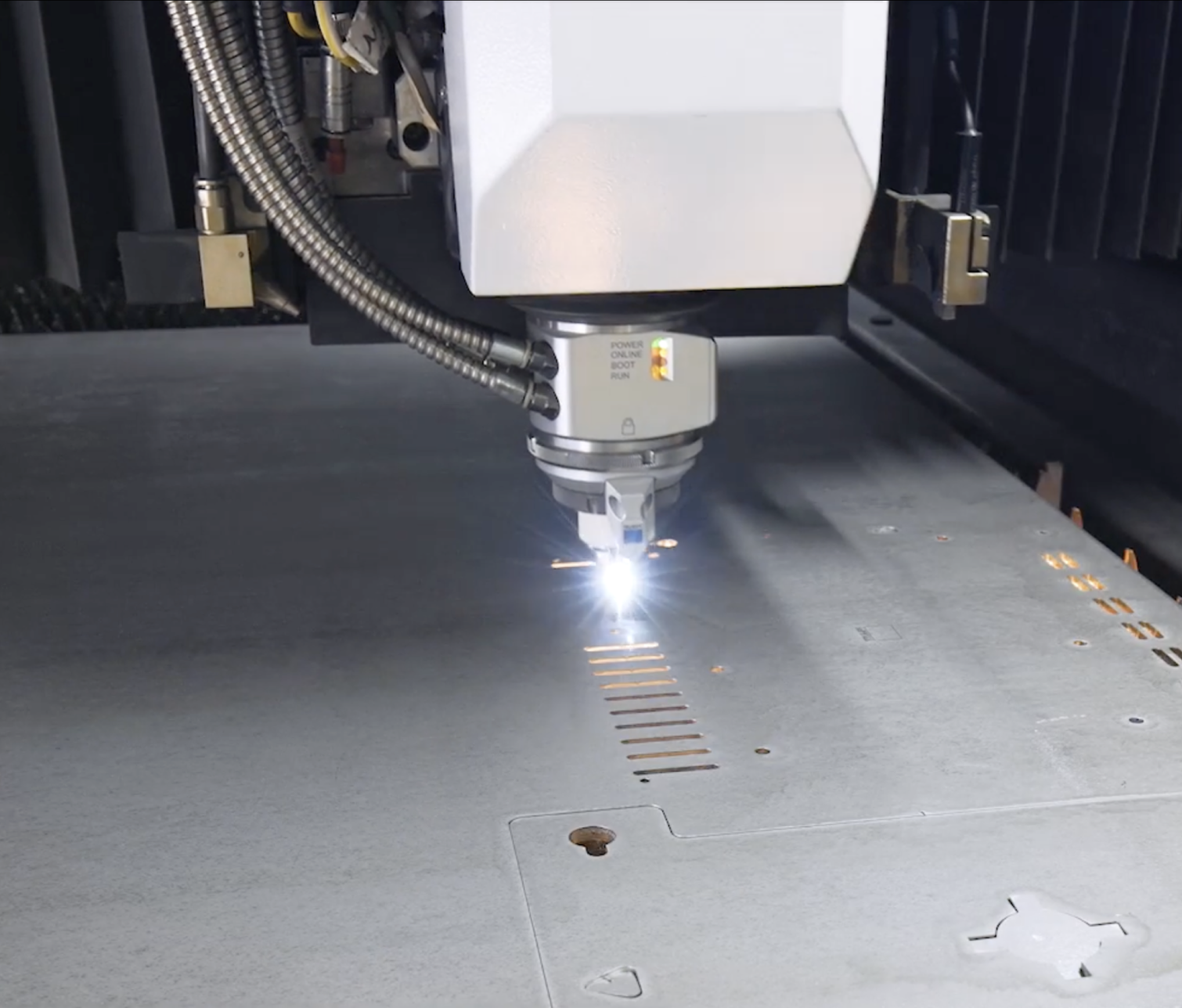
The two technologies address different problems. Laser cutting is faster and more cost-effective for thin to medium-gauge sheet metal with complex geometries and in batch production. Waterjet cutting is the right choice for thick materials, for non-metallic materials such as stone, ceramics and composites, and for parts that cannot tolerate a heat-affected zone. In short, laser cutting offers speed for thin metal, whilst waterjet cutting offers versatility in terms of material and thickness. At TSwaterjet, we offer both and recommend the most suitable option for each part.

No. The process is entirely cold. Unlike thermal cutting, it does not create a heat-affected zone, does not deform the workpiece and does not alter its structure or hardness. The edges are clean and the workpiece retains its original mechanical properties. This is why waterjet cutting is used on heat-sensitive materials and on workpieces where structural integrity is critical.

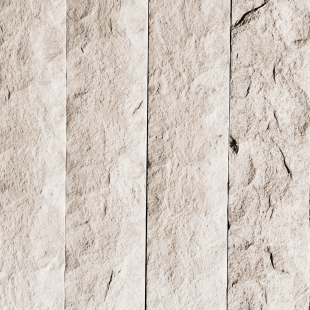
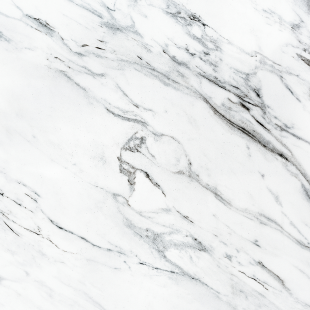
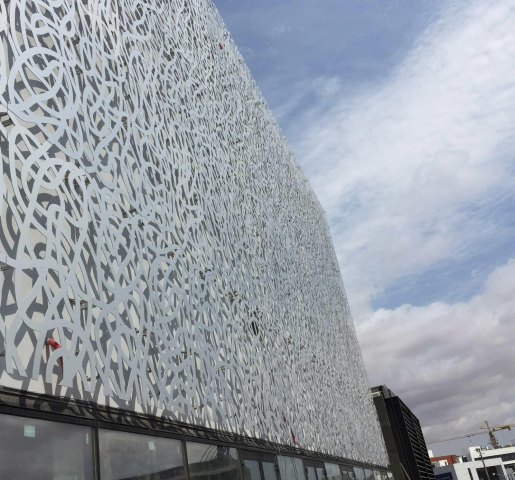
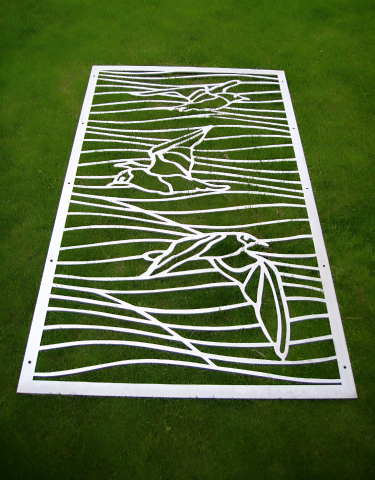
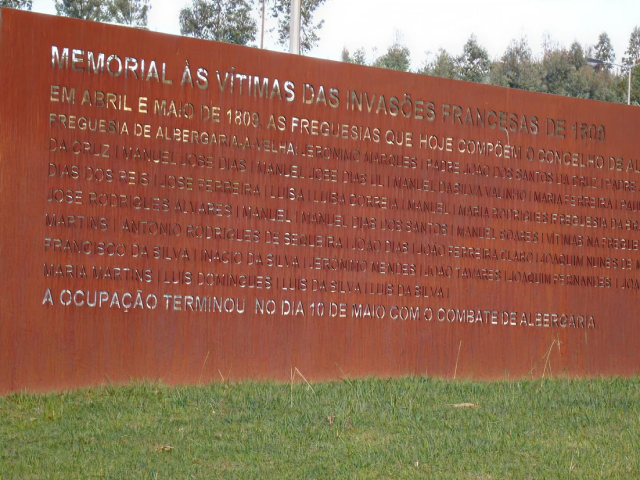
Yes, and this is one of its main advantages. When used with an abrasive, the water jet cuts natural stone, marble, ceramics and glass with a clean edge, without chipping or heat-induced cracks. It is a common solution for decorative and architectural work, such as panels, façade elements and ornamental details, making it particularly useful for architectural practices and construction firms.

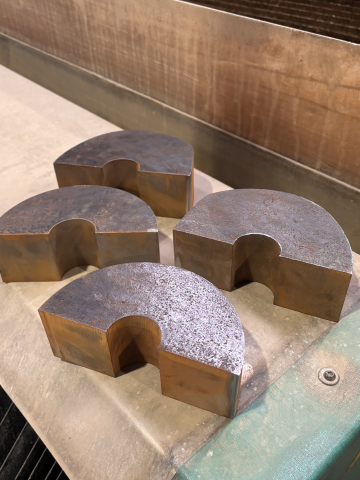
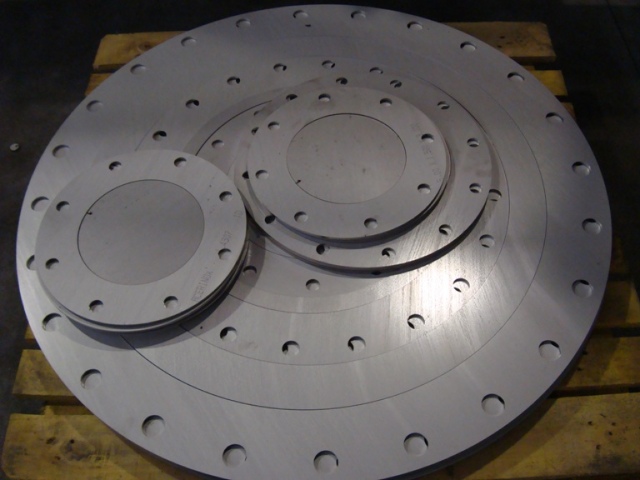
Water jet cutting produces clean, uniform edges, in most cases without the need for further finishing operations. The tolerance depends mainly on the thickness: the thinner the material, the tighter the tolerance; with greater thicknesses, there is a slight taper, which is a natural part of the process. For specific dimensional requirements, please state the required tolerance in your quotation request.

A área útil de corte é de 6 × 3 m, o que permite trabalhar chapa e placa de grande dimensão numa só peça, sem divisão. O corte é feito em 2D, com duas máquinas FLOW.

We accept DWG, DXF, STEP, IGES and PDF files. Once we have received the technical drawing and details of the material, thickness and quantity, we will assess the feasibility and provide a quote on the same working day. All files are treated in strict confidence.

Are you looking for a partner for waterjet cutting?

Share your project requirements and receive a proposal tailored to your needs.