Waterjet cutting up to 150 mm, in any material
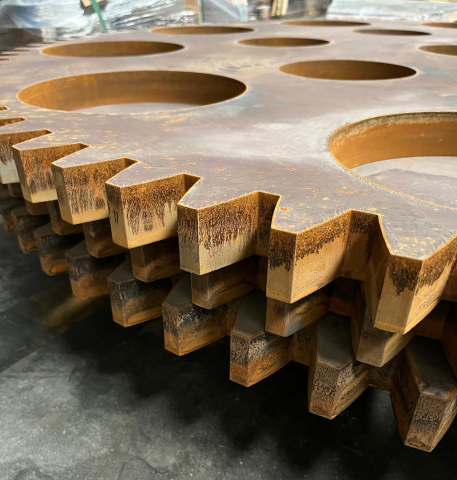
Cold cutting, with no heat-affected zone, on steel, stainless steel, aluminium, copper, ceramics, stone and composites.
How does water jet cutting work?
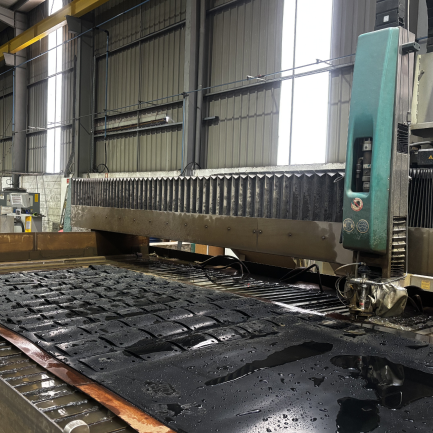
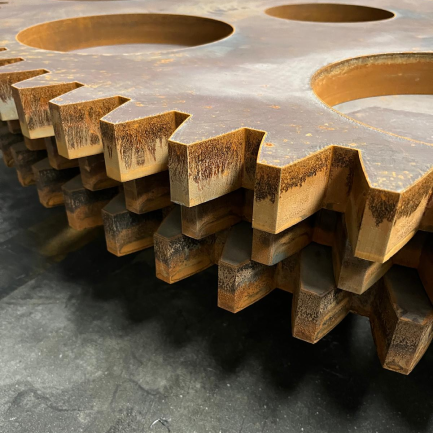
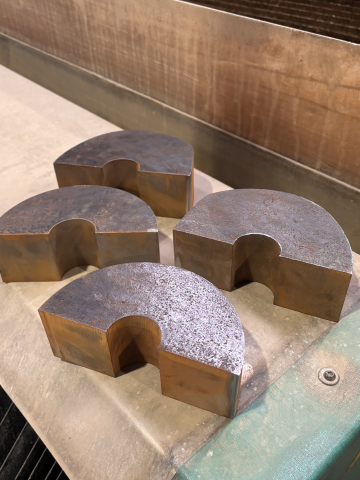
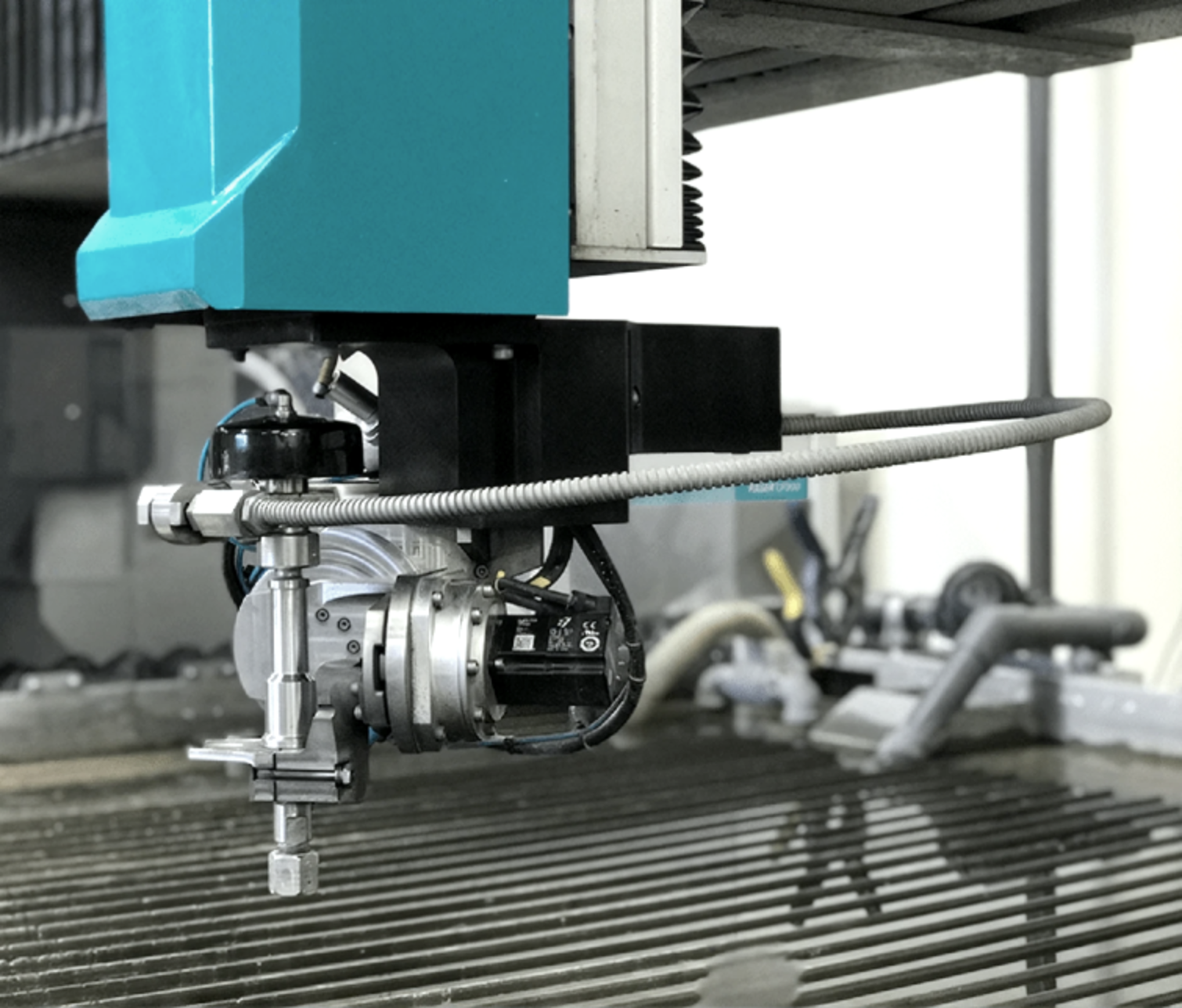
Waterjet cutting uses water at extremely high pressure, combined with an abrasive where necessary, to cut materials of considerable thickness and hardness. The process is entirely cold. It does not create a heat-affected zone, does not cause deformation and does not alter the structure of the material. The result is a precise cut with clean edges, which preserves the original properties of the workpiece.
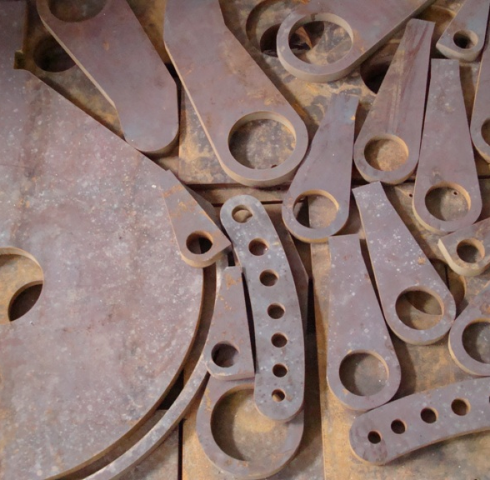
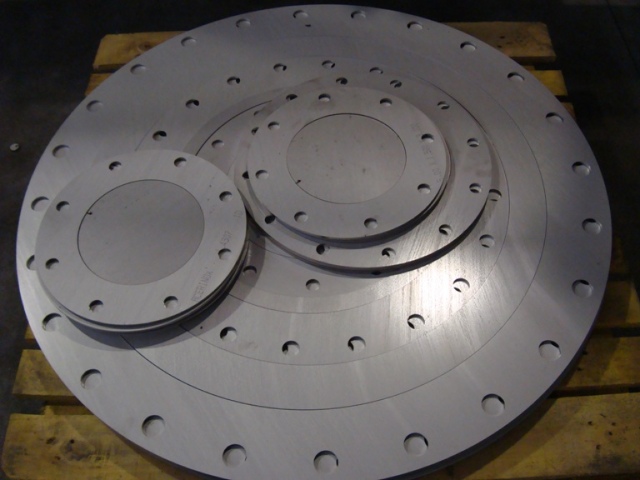
We specialise in 2D cutting of sheet metal and plates, for both one-off parts and production runs.
up to
150 mm
Cutting capacity for very thick materials.
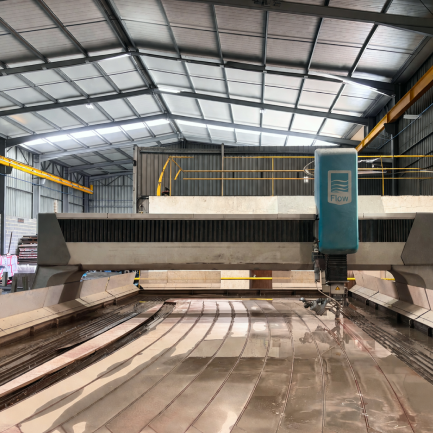
6 x 3 metres
Space suitable for large items.
Tolerance ± 0.1 mm
Repeatable dimensional accuracy, part after part.
Cold cutting
No heat-affected zone. Preserves the material’s properties.
Versatility
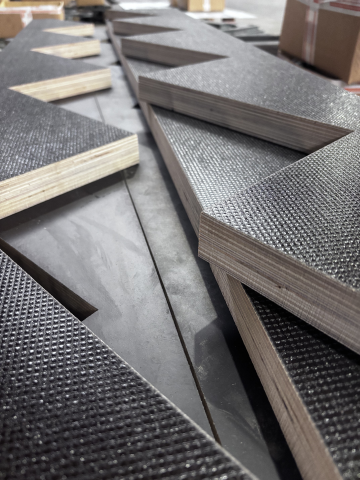
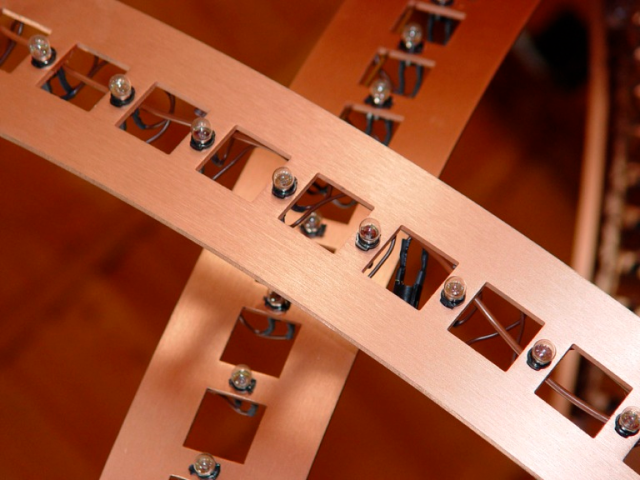
Suitable for a range of materials such as metals, stone, ceramics, composites and polymers.
2 FLOW machines
A world-leading brand in waterjet cutting, with the capacity for continuous production.
Is your part for waterjet cutting or laser cutting?
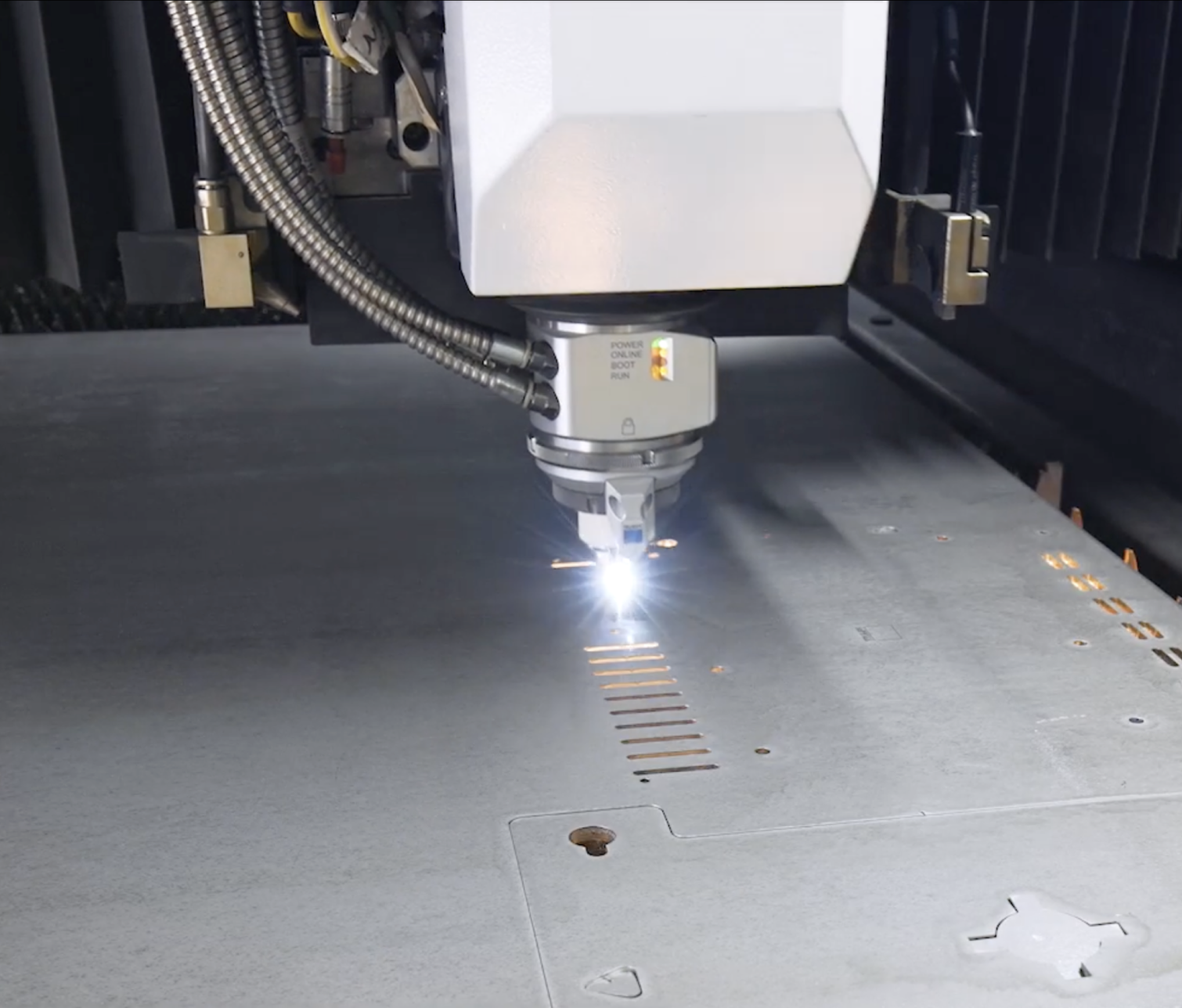
Not all parts require the same technology. Waterjet cutting is a cold-cutting process that does not alter the material, and can handle thicknesses and materials that a laser cannot. Laser cutting is faster and more cost-effective for thin sheet metal, particularly for production runs. The right choice depends on the material, thickness and finish you require. If you have any queries, please send us your design. We will analyse the part and recommend the most suitable technology, free of charge.
One technology, virtually all materials.
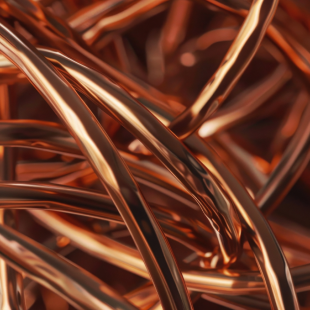
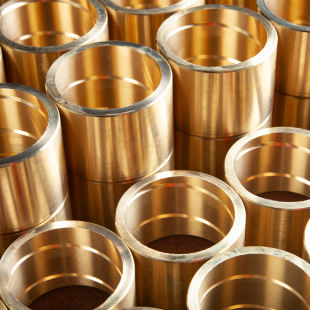
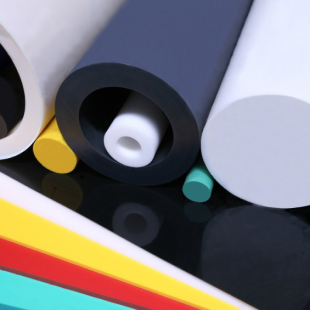
Water jet cutting can cut a wide variety of materials using the same process, without compromising their physical properties.
Carbon Steel
Stainless steel
Aluminium
Copper
Brass
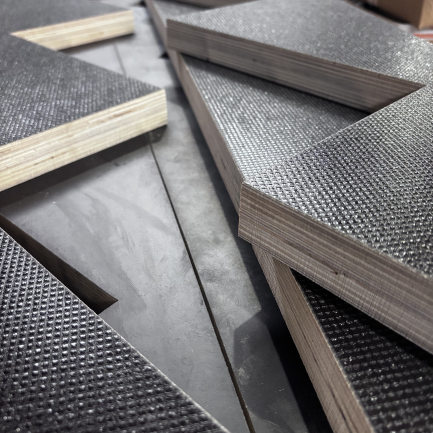
Composites
Engineering Plastics
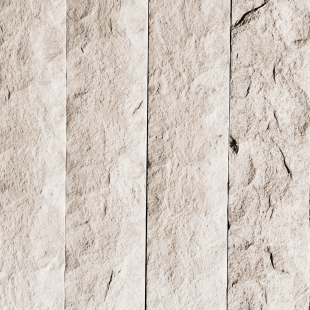
Stone
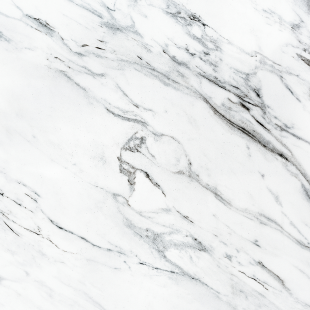
Marble
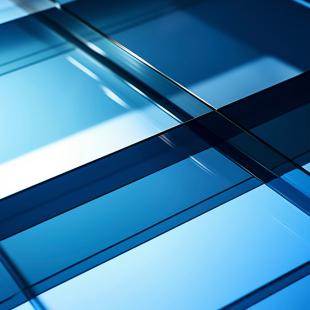
Glass
Why choose this one?
technology?
Cold-cut.
No heat-affected zone. Preserves mechanical properties, even in temperature-sensitive materials.
Any material.
Metals, stone, ceramics, composites and polymers using the same equipment.
Large thicknesses.
Cut up to 150 mm where the laser cannot reach.
Prototype or production model.
The same machine is suitable for both single-piece and mass production.
Projects completed
water jet cutting


Frequently Asked Questions
What is the maximum cutting thickness?
The TSwaterjet waterjet cuts materials up to 150 mm thick. The actual capacity depends on the material and geometry: harder or denser materials are cut at a slower speed, but the maximum thickness remains high, because the process uses high-pressure water with an abrasive rather than heat. It is when cutting thicker materials that waterjet cutting outperforms laser cutting, which is limited to thinner sheet metal. For parts thicker than 150 mm, please send us the drawing so that we can assess feasibility.
Which materials can be cut using waterjet cutting?
Virtually all of them. Waterjet cutting can cut carbon steel, stainless steel, aluminium, copper and brass, as well as non-metallic materials such as ceramics, marble, stone, glass, composites and polymers. As the cutting process is cold, it is the ideal technology for materials that must not be heated or undergo structural changes. We can cut both metal and stone using the same equipment, which reduces the number of suppliers required for a project involving different materials.
What is the difference between waterjet cutting and laser cutting?
The two technologies address different problems. Laser cutting is faster and more cost-effective for thin to medium-gauge sheet metal with complex geometries and in batch production. Waterjet cutting is the right choice for thick materials, for non-metallic materials such as stone, ceramics and composites, and for parts that cannot tolerate a heat-affected zone. In short, laser cutting offers speed for thin metal, whilst waterjet cutting offers versatility in terms of material and thickness. At TSwaterjet, we offer both and recommend the most suitable option for each part.
Does waterjet cutting alter the properties of the material?
No. The process is entirely cold. Unlike thermal cutting, it does not create a heat-affected zone, does not deform the workpiece and does not alter its structure or hardness. The edges are clean and the workpiece retains its original mechanical properties. This is why waterjet cutting is used on heat-sensitive materials and on workpieces where structural integrity is critical.
Can a water jet cut stone, marble and ceramics?
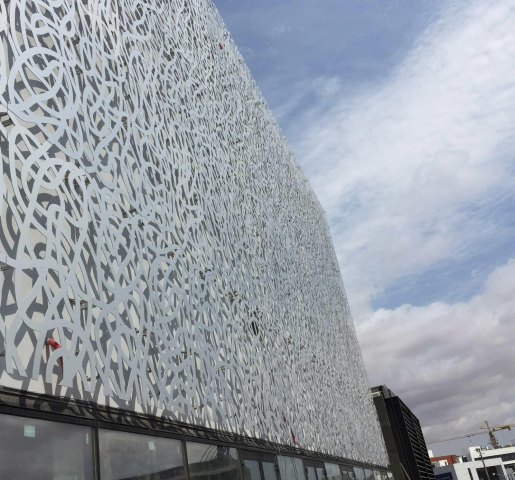
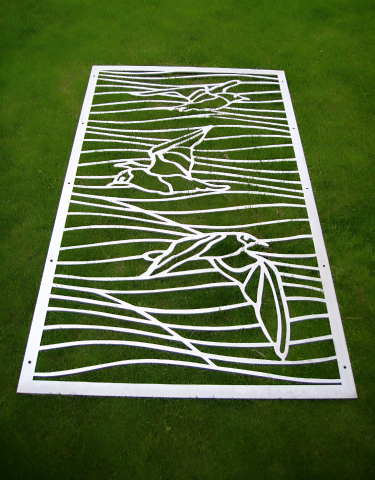
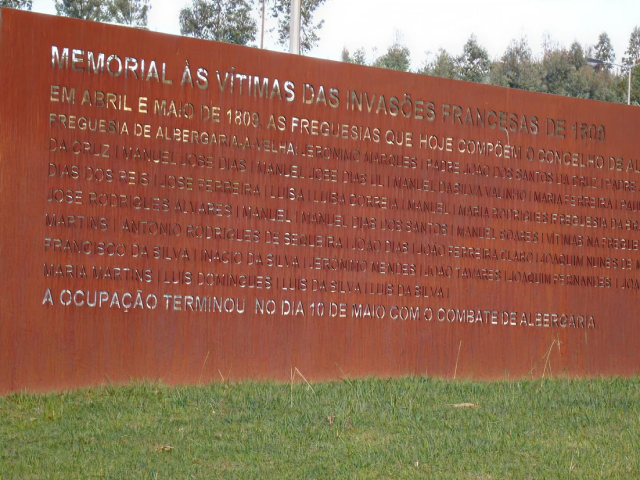
Yes, and this is one of its main advantages. When used with an abrasive, the water jet cuts natural stone, marble, ceramics and glass with a clean edge, without chipping or heat-induced cracks. It is a common solution for decorative and architectural work, such as panels, façade elements and ornamental details, making it particularly useful for architectural practices and construction firms.
What tolerances and finish can I achieve?
Water jet cutting produces clean, uniform edges, in most cases without the need for further finishing operations. The tolerance depends mainly on the thickness: the thinner the material, the tighter the tolerance; with greater thicknesses, there is a slight taper, which is a natural part of the process. For specific dimensional requirements, please state the required tolerance in your quotation request.
What is the maximum size of the parts?
The cutting area measures 6 × 3 m, which allows large sheets and plates to be processed as a single piece, without being cut into sections. Cutting is carried out in 2D using two FLOW machines.
What files do I need to send to request a quote?
We accept DWG, DXF, STEP, IGES and PDF files. Once we have received the technical drawing and details of the material, thickness and quantity, we will assess the feasibility and provide a quote on the same working day. All files are treated in strict confidence.
Are you looking for a partner for waterjet cutting?
Share your project requirements and receive a proposal tailored to your needs.